The Role of Robotics in Shaping the Future of the Economy
Introduction: Understanding Robotics and Its Impact on the Economy
Robotics is a rapidly emerging technology that has the potential to revolutionize the way we do business. By automating certain tasks, robotics can help companies save time, money, and resources while also increasing efficiency and productivity.
Robotics is also making a major impact on the economy by creating new jobs and opportunities for businesses. With advances in AI technology, robots are now capable of performing complex tasks such as decision-making and problem-solving. This opens up a wide range of possibilities for businesses to capitalize on robotic automation for their operations.
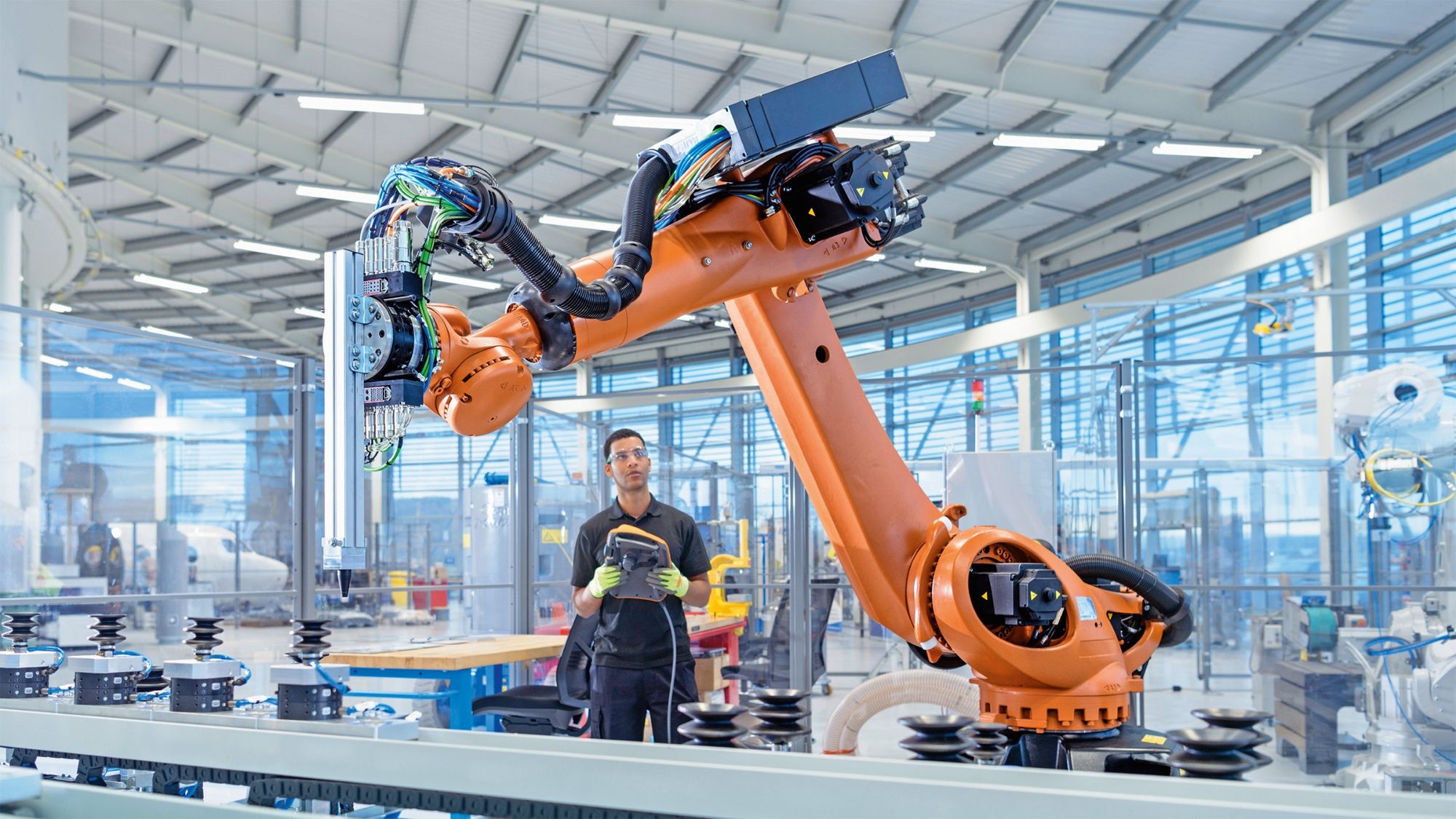
Robotics is the science and technology of designing, constructing, and operating robots. Robotics has been used in many industries and applications, from manufacturing to healthcare to agriculture. It has revolutionized the way we think about automation and production processes.
Exploring Different Ways Robotics is Enhancing Productivity and Efficiency in Businesses
Robotic process automation (RPA) is one of the most popular uses of robotics today. RPA automates repetitive tasks, allowing companies to speed up their production processes and increase efficiency. Robotic manufacturing is also a major use of robotics, with industrial robots being used for assembly line tasks such as welding and painting. Autonomous robots are also becoming increasingly popular in a variety of industries, from delivery services to healthcare.
Robotics is revolutionizing the global economy. As robots become increasingly sophisticated, they are being used to automate labor-intensive tasks in a wide range of industries. This is driving economic growth and creating new opportunities for businesses and countries around the world.
Robotics and Economic Growth - How it is Helping Developing Nations Progress
Robots are also helping to create a more efficient labor force. By automating certain tasks, robots can help reduce costs and increase productivity. This is especially beneficial for developing countries, where manual labor is often expensive and inefficient. Automation provides an opportunity to create jobs in these countries while also increasing efficiency and reducing costs.
Robotics has the potential to revolutionize the global economy by driving economic growth and creating a robot-based labor force. Robotics can be used to automate labor-intensive tasks in developing countries, freeing up people to focus on higher value activities. It can also help companies become more efficient and reduce costs, allowing them to invest in new technologies and services. Furthermore, robots can be used for a variety of applications such as manufacturing, healthcare, transportation, agriculture, and many more. In this way, robotics could play a major role in helping developing countries achieve their economic goals.
How Robotics Can Help Combat Inequality & Unemployment in Developed Nations
The increasing use of robotics has been raising concerns about job automation and unemployment. Automation has been replacing human labor in many sectors, leading to a decrease in job opportunities. This has resulted in an increase in the inequality gap between those who have access to education and resources, and those who don't.
Robotics also present a challenge when it comes to equality. As robots become more efficient at performing tasks, they could potentially replace humans in some jobs, leading to a further increase in the inequality gap between those with access to education and resources, and those without. This could further widen the existing economic divide between different social classes.
Robotics as a Transformative Tool for Businesses to Achieve Sustainable Development Goals
Robotics is a rapidly evolving field that has the potential to help us achieve our sustainable development goals. Smart robots can help reduce waste and pollution, increase efficiency and productivity, and improve quality of life for people around the world. They can be used in a variety of ways to promote sustainability, such as helping to clean up hazardous waste sites, monitoring air and water quality, or providing assistance in disaster relief efforts. By utilizing the latest advances in robotics technology, we can create smarter robots that are better equipped to tackle global sustainability challenges.


